

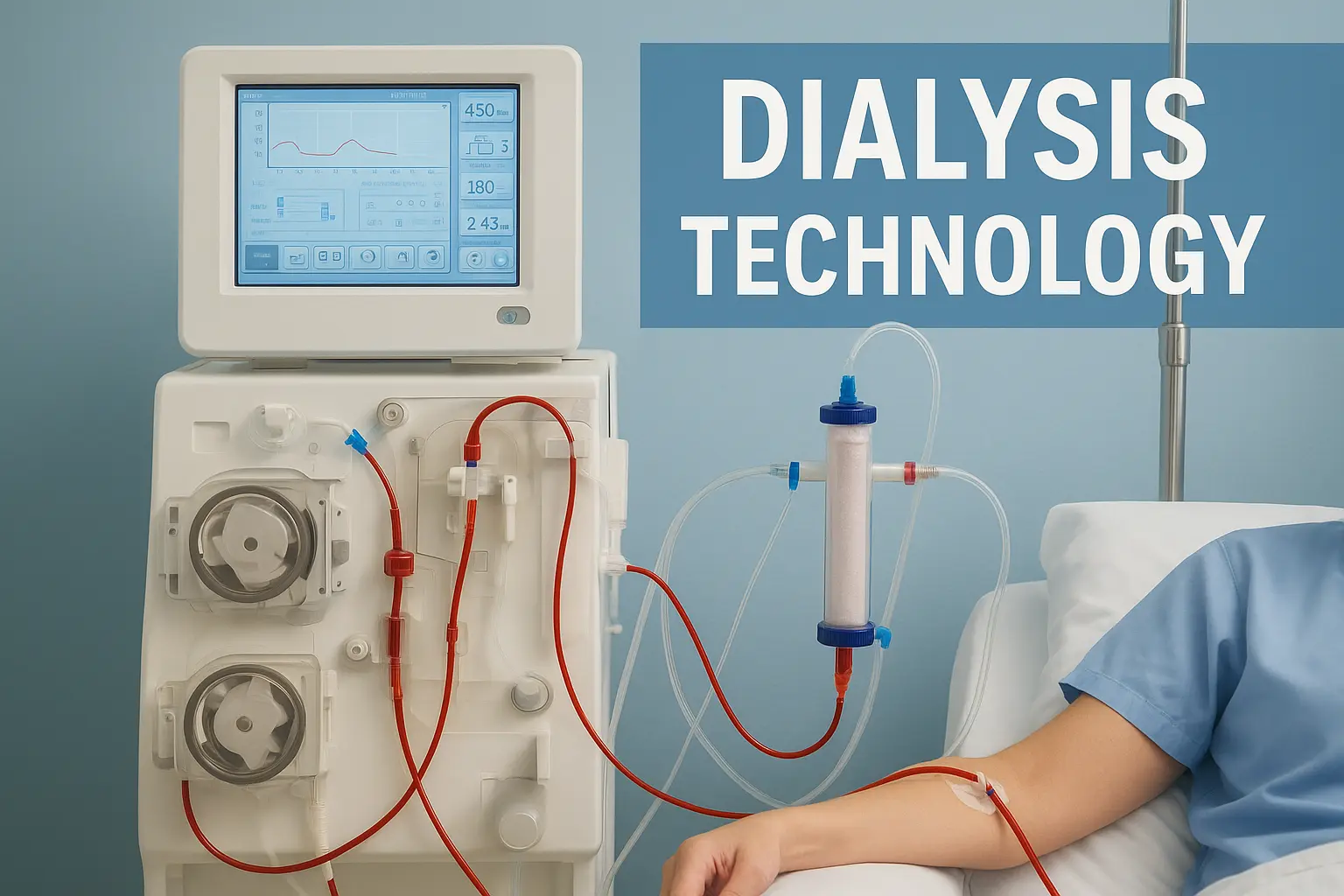
Introduction to Dialysis Technology
Dialysis technology has become a cornerstone in modern healthcare, particularly for individuals suffering from kidney failure or chronic kidney disease. Over the years, these technologies have evolved to provide life-saving interventions that mimic the essential functions of healthy kidneys. At its core, dialysis is a process that removes waste, excess fluids, and toxins from the blood when the kidneys are no longer able to perform this function effectively.
The field of dialysis technology is not just about machines—it encompasses a range of medical devices, materials, and methods designed to improve patient outcomes and comfort. Patients who rely on dialysis often experience significant lifestyle changes, making the efficiency, safety, and convenience of these technologies critical to their quality of life. Innovations in this field aim to reduce treatment time, enhance precision, and provide more personalized care.
Understanding dialysis technology is not only vital for healthcare professionals but also for patients and their families. By being informed, patients can make better decisions about their treatment options and understand the importance of adherence to therapy schedules. Furthermore, the development of portable and wearable dialysis devices is gradually making home-based care a feasible reality, offering more freedom and flexibility for patients.
Overall, dialysis technology bridges the gap between kidney dysfunction and a healthier, more manageable life. It represents both medical progress and human ingenuity, allowing patients to live longer, healthier, and more independent lives despite severe kidney conditions.
What is Dialysis?
Dialysis is essentially an artificial process that takes over the kidney’s job when they fail to filter blood properly. There are two primary types of dialysis: hemodialysis and peritoneal dialysis. Hemodialysis involves circulating blood through a machine where it is filtered and then returned to the body, while peritoneal dialysis uses the lining of the patient’s abdomen as a natural filter.
The main purpose of dialysis is to maintain the body’s chemical balance and prevent the buildup of dangerous toxins that can be life-threatening. Without dialysis, patients with severe kidney issues face complications like fluid overload, high blood pressure, and heart problems. It’s a procedure that’s technically demanding but has become increasingly routine thanks to advancements in technology.
While it might sound clinical, dialysis has a deeply human aspect—each session is a lifeline for patients. For many, it’s an emotional experience, as they learn to adapt to regular treatments and the lifestyle changes they bring. Understanding what dialysis is and how it works can reduce anxiety and help patients feel more in control of their health journey.
Importance of Dialysis Technology in Modern Healthcare
The importance of dialysis technology in today’s medical landscape cannot be overstated. Chronic kidney disease affects millions worldwide, and dialysis serves as a crucial intervention to sustain life. Modern technology has transformed dialysis from a basic, time-consuming procedure into a more efficient and patient-friendly treatment.
Technological improvements have led to better monitoring systems, safer equipment, and more effective filters that remove toxins more efficiently. This means patients spend less time in treatment and experience fewer side effects. Additionally, portable and home-based devices allow patients to manage their care without being tied to a hospital schedule, improving their independence and quality of life.
From a healthcare perspective, dialysis technology reduces the burden on medical staff and resources by streamlining treatments and ensuring safety protocols are consistently met. It also allows for better data collection, helping doctors tailor treatments based on individual patient needs. In short, dialysis technology is not just a medical tool—it’s a lifeline that empowers patients and enhances overall healthcare delivery.
Types of Dialysis Technologies
Dialysis technology has evolved to offer multiple approaches tailored to patient needs, lifestyle, and medical conditions. Understanding the different types of dialysis technologies helps patients and healthcare providers choose the most suitable treatment. Broadly, dialysis is categorized into hemodialysis and peritoneal dialysis, with newer innovations introducing portable and wearable options. Each type has unique advantages and challenges, reflecting ongoing advancements in medical engineering and patient-centered care.
The development of these technologies is driven by the need to improve treatment efficiency, minimize complications, and enhance patient comfort. Over the years, devices have become more compact, user-friendly, and adaptable, allowing for more flexibility in treatment schedules and locations. By exploring these types, we can see how dialysis technology continues to transform lives, offering hope and independence to those affected by kidney failure.
Hemodialysis Machines
Hemodialysis machines are the most widely used form of dialysis. These machines act as artificial kidneys, filtering blood to remove waste, excess fluids, and toxins. Blood is drawn from the patient’s body, passed through a dialyzer—a special filter—and then returned to the body. Modern machines are equipped with digital monitoring systems, safety alarms, and adjustable settings to customize treatments for each patient.
Patients typically visit dialysis centers several times a week for sessions that last three to five hours. While the process can be demanding, recent technological improvements have made it more comfortable and safer. Advanced sensors monitor blood pressure, flow rate, and filtration efficiency in real-time, reducing the risk of complications. Hemodialysis machines are essential in saving lives, especially for patients with advanced kidney disease who cannot undergo peritoneal dialysis.
Peritoneal Dialysis Systems
Peritoneal dialysis (PD) offers an alternative approach by using the patient’s own abdominal lining—the peritoneum—as a natural filter. A special solution is introduced into the abdominal cavity, absorbs waste and excess fluids, and is then drained out. PD can often be done at home, giving patients greater flexibility and independence.
Modern PD systems include automated cyclers that manage fluid exchange during the night, allowing patients to continue daily activities without interruption. Though it requires careful monitoring to avoid infections, peritoneal dialysis is particularly beneficial for those who prefer home-based treatment or have difficulty traveling to dialysis centers frequently. It highlights how dialysis technology adapts to lifestyle needs while maintaining effective treatment.
Portable and Wearable Dialysis Devices
The latest frontier in dialysis technology includes portable and wearable devices designed to provide continuous or on-the-go treatment. These innovations aim to reduce dependence on hospital visits, shorten treatment times, and improve patient mobility. Wearable dialysis machines are compact, lightweight, and can be worn like a belt or backpack, making daily life less disruptive.
Although still emerging, these devices promise a revolution in kidney care by combining advanced filtration technology with real-time monitoring. Portable systems allow patients to receive treatment during travel or at home, significantly enhancing independence. This category reflects the future of dialysis technology, where convenience and medical efficacy converge to improve patient quality of life.
Advances in Dialysis Technology
Dialysis technology has come a long way from its early, cumbersome machines to today’s highly efficient and patient-friendly systems. Innovations focus not only on improving the efficiency of waste removal but also on enhancing patient comfort, safety, and overall quality of life. Modern advancements integrate smart technology, better materials, and remote monitoring, reflecting the growing intersection of medicine and engineering.
These advances are crucial because kidney patients often require regular, lifelong treatments. Reducing treatment time, minimizing complications, and providing more personalized care are essential goals. From AI-assisted monitoring to innovative filter membranes, dialysis technology is evolving to make the process safer, faster, and less intrusive. The continual improvement of dialysis devices shows the healthcare industry’s commitment to making life more manageable for patients with kidney disease.
Smart Monitoring and AI Integration
One of the most significant advancements in dialysis technology is the integration of smart monitoring systems and AI. Modern dialysis machines can now track blood flow, pressure, and filtration rates in real-time, providing instant feedback to healthcare providers. This allows for immediate adjustments to optimize treatment effectiveness and reduce complications.
Artificial intelligence also plays a role in predicting patient needs. For instance, AI algorithms can analyze historical treatment data to suggest personalized schedules, fluid removal rates, or potential risk alerts. This proactive approach not only improves treatment efficiency but also enhances patient safety. Smart monitoring reduces human error, ensures consistent care, and allows for more informed clinical decisions, ultimately making dialysis a more reliable and patient-centered therapy.
Improved Dialysis Filters and Membranes
Another major breakthrough in dialysis technology is the development of advanced filters and membranes. Dialyzers—the core component of hemodialysis machines—have evolved to efficiently remove toxins while preserving essential proteins and electrolytes. Modern membranes are biocompatible, reducing inflammation and other adverse reactions during treatment.
These improvements mean patients experience fewer side effects like fatigue, nausea, or low blood pressure during dialysis sessions. Innovations in membrane technology also contribute to faster treatment times, better waste removal, and increased overall effectiveness. By continuously refining these components, manufacturers ensure that dialysis remains not only life-sustaining but also as comfortable as possible for patients.
Telemedicine and Remote Patient Management
Telemedicine has begun to transform dialysis care, especially for patients in remote or underserved areas. Remote monitoring systems allow healthcare providers to track patient data, adjust treatment plans, and provide guidance without requiring frequent hospital visits. This approach saves time, reduces travel stress, and allows patients to receive high-quality care from home.
Remote patient management also encourages patient engagement and adherence to therapy schedules. Through mobile apps and connected devices, patients can report symptoms, receive reminders, and access educational resources. This integration of technology into everyday life makes dialysis more manageable and less isolating, highlighting how modern advancements are not just about machines, but about improving the human experience of treatment.
Benefits of Modern Dialysis Technology
Modern dialysis technology offers far more than just the ability to filter blood. It significantly enhances patient safety, comfort, and overall quality of life. By integrating advanced machines, monitoring systems, and innovative treatment methods, dialysis has evolved from a purely clinical procedure into a patient-centered experience.
These benefits are particularly important because kidney patients often require long-term, frequent treatments. Improved technology reduces treatment duration, minimizes complications, and provides greater flexibility for patients to maintain their daily routines. Moreover, it allows healthcare providers to tailor therapies to individual needs, improving effectiveness and outcomes. Modern dialysis is a remarkable example of how medical innovation can directly impact human well-being.
Enhanced Patient Comfort
One of the key benefits of modern dialysis technology is enhanced patient comfort. Earlier dialysis procedures were often uncomfortable, lengthy, and stressful. Today’s machines are designed with user-friendly interfaces, adjustable treatment parameters, and smoother blood flow systems that minimize discomfort.
Additionally, innovations like home-based peritoneal dialysis and portable machines allow patients to receive treatment in familiar and comfortable environments. This reduces the anxiety and fatigue often associated with hospital visits and lengthy procedures. By focusing on comfort, modern dialysis technology helps patients maintain both physical and emotional well-being during treatment.
Better Treatment Efficiency
Efficiency is another major advantage of advanced dialysis technology. Modern machines filter blood more effectively, remove toxins faster, and allow precise control over fluid balance. These improvements reduce treatment time while maintaining high-quality care.
Smart monitoring systems and AI integration further enhance efficiency by automatically adjusting settings based on patient-specific data. This personalized approach ensures optimal filtration rates and minimizes the risk of complications. Better treatment efficiency not only improves outcomes but also allows patients to spend less time undergoing dialysis and more time enjoying normal daily activities.
Reduced Complications and Risks
Modern dialysis technology also significantly reduces complications and health risks. Innovations in filter membranes, biocompatible materials, and monitoring systems help prevent side effects like infections, low blood pressure, and inflammation.
Continuous monitoring ensures that any deviations or problems are detected immediately, allowing for prompt intervention. Remote patient management further reduces risks by enabling doctors to track treatment adherence and patient condition even from a distance. Overall, these advancements make dialysis safer, more reliable, and less physically and emotionally taxing for patients.
Challenges in Dialysis Technology
While modern dialysis technology has made remarkable progress, several challenges still persist. These challenges affect accessibility, affordability, and the overall effectiveness of treatment. Understanding these limitations is essential for patients, caregivers, and healthcare providers to make informed decisions and advocate for improvements.
Despite advancements, many patients still face logistical, financial, and technical barriers. Equipment costs, maintenance requirements, and the need for trained professionals can limit access, particularly in rural or underserved areas. Additionally, while technology has improved patient comfort and efficiency, the procedure itself remains physically and emotionally demanding for many individuals. Addressing these challenges is critical for ensuring that the benefits of dialysis technology reach all who need it.
High Cost of Equipment
One major challenge is the high cost of dialysis equipment. Modern machines, advanced filters, and smart monitoring systems require significant investment, which can be a barrier for smaller clinics and hospitals. Patients may also face financial burdens due to frequent treatments and associated medical expenses.
High costs can limit access to the latest technology, particularly in developing countries. Even where machines are available, the price of maintenance, replacement parts, and consumables like dialyzers can strain healthcare budgets. This economic challenge highlights the need for affordable innovation and public health policies that ensure equitable access to life-saving dialysis treatments.
Accessibility Issues in Remote Areas
Accessibility is another major challenge in dialysis technology. Many patients live far from dialysis centers, making regular treatments logistically difficult and physically exhausting. Rural and underserved regions often lack specialized clinics or trained staff, which can delay treatment and increase health risks.
Portable and home-based dialysis devices offer potential solutions, but these innovations are not yet widely available. Telemedicine helps bridge some gaps, but challenges such as internet connectivity, technical literacy, and device affordability remain. Improving accessibility is essential to ensure that patients everywhere can benefit from modern dialysis technology.
Maintenance and Technical Expertise Requirements
Dialysis machines require regular maintenance and skilled personnel to operate effectively. This includes calibrating sensors, replacing filters, and monitoring patient data. Any technical failure or operator error can have serious consequences for patient safety.
Training healthcare staff and providing ongoing support is essential but can be challenging, especially in regions with limited resources. Ensuring that equipment functions optimally while maintaining safety standards is a constant concern. This highlights the importance of both technological reliability and investment in human expertise to maximize the benefits of dialysis therapy.
Future of Dialysis Technology
The future of dialysis technology is incredibly promising, with innovations aimed at making treatments more efficient, convenient, and life-changing for patients. Researchers and engineers are exploring ways to miniaturize devices, improve biocompatibility, and integrate advanced monitoring systems to create a seamless and patient-friendly experience.
Future developments focus on portability, home-based care, and the possibility of wearable or implantable devices that allow continuous treatment without disrupting daily life. The goal is not just to sustain life but to enhance quality of life, giving patients more independence and freedom. Advances in materials science, artificial intelligence, and predictive analytics are driving these innovations, making the future of dialysis technology bright and transformative.
Innovations in Portable and Home-Based Dialysis
Portable and home-based dialysis devices are among the most exciting developments in the field. These devices allow patients to perform treatments at home or even while traveling, reducing the need for frequent hospital visits. Portable systems are compact, user-friendly, and designed to integrate seamlessly into daily routines.
Home-based dialysis not only increases convenience but also empowers patients to take control of their care. Patients can schedule treatments at times that suit them, maintain regular lifestyles, and experience fewer disruptions to work, social life, or family responsibilities. These innovations represent a significant step forward in patient-centered kidney care.
Integration with AI and Predictive Analytics
Artificial intelligence and predictive analytics are increasingly being applied to dialysis technology. AI can analyze patient data to predict potential complications, suggest optimal treatment parameters, and even forecast the progression of kidney disease.
Predictive analytics allow healthcare providers to proactively adjust treatments, preventing adverse events and improving outcomes. This level of personalization ensures that each patient receives care tailored to their unique physiology and condition. The integration of AI not only enhances treatment efficiency but also reduces the emotional and physical burden on patients, making dialysis safer and more effective.
Potential for Artificial Kidney Development
Perhaps the most ambitious future goal in dialysis technology is the development of an artificial kidney. Researchers are exploring bioengineered organs and implantable devices that could replicate kidney functions continuously, eliminating the need for traditional dialysis.
While still in experimental stages, the artificial kidney holds the potential to revolutionize kidney care, offering a permanent solution for patients with end-stage renal disease. Success in this field would drastically reduce dependency on dialysis centers, improve patient quality of life, and reshape the landscape of renal healthcare worldwide.
Conclusion
Dialysis technology has come a long way, transforming from a life-saving necessity into a sophisticated, patient-centered solution for kidney care. Modern advancements in hemodialysis machines, peritoneal dialysis systems, portable devices, and smart monitoring technologies have significantly improved patient outcomes, safety, and comfort.
While challenges like high costs, accessibility issues, and technical expertise requirements persist, ongoing innovations offer hope for a more inclusive and effective dialysis experience. Future developments, including AI integration, predictive analytics, home-based solutions, and the potential for artificial kidneys, promise to further enhance patient independence and quality of life.
Ultimately, dialysis technology is more than a medical procedure—it is a lifeline for millions worldwide. By embracing innovation and patient-centered care, healthcare systems can continue to provide life-sustaining treatments while improving the overall well-being of those affected by kidney disease.
FAQs
Q1: What is dialysis technology?
A: Dialysis technology refers to medical devices and methods used to filter waste and excess fluids from the blood when the kidneys cannot perform this function. It includes hemodialysis machines, peritoneal dialysis systems, and newer portable and wearable devices.
Q2: How does hemodialysis work?
A: Hemodialysis uses a machine to draw blood from the body, filter out toxins and excess fluids through a dialyzer, and return the clean blood. Treatments usually take 3–5 hours, several times a week, depending on patient needs.
Q3: What are the benefits of modern dialysis technology?
A: Modern dialysis offers enhanced patient comfort, better treatment efficiency, and reduced risks of complications. Smart monitoring, AI integration, and portable devices also allow for more personalized and convenient care.
Q4: Can dialysis be done at home?
A: Yes, peritoneal dialysis and some portable hemodialysis devices allow patients to undergo treatment at home, giving them flexibility and independence from frequent hospital visits.
Q5: What does the future of dialysis look like?
A: Future dialysis technology focuses on AI integration, wearable devices, improved home-based treatments, and potentially artificial kidneys that could replicate natural kidney functions, reducing dependence on traditional dialysis.