

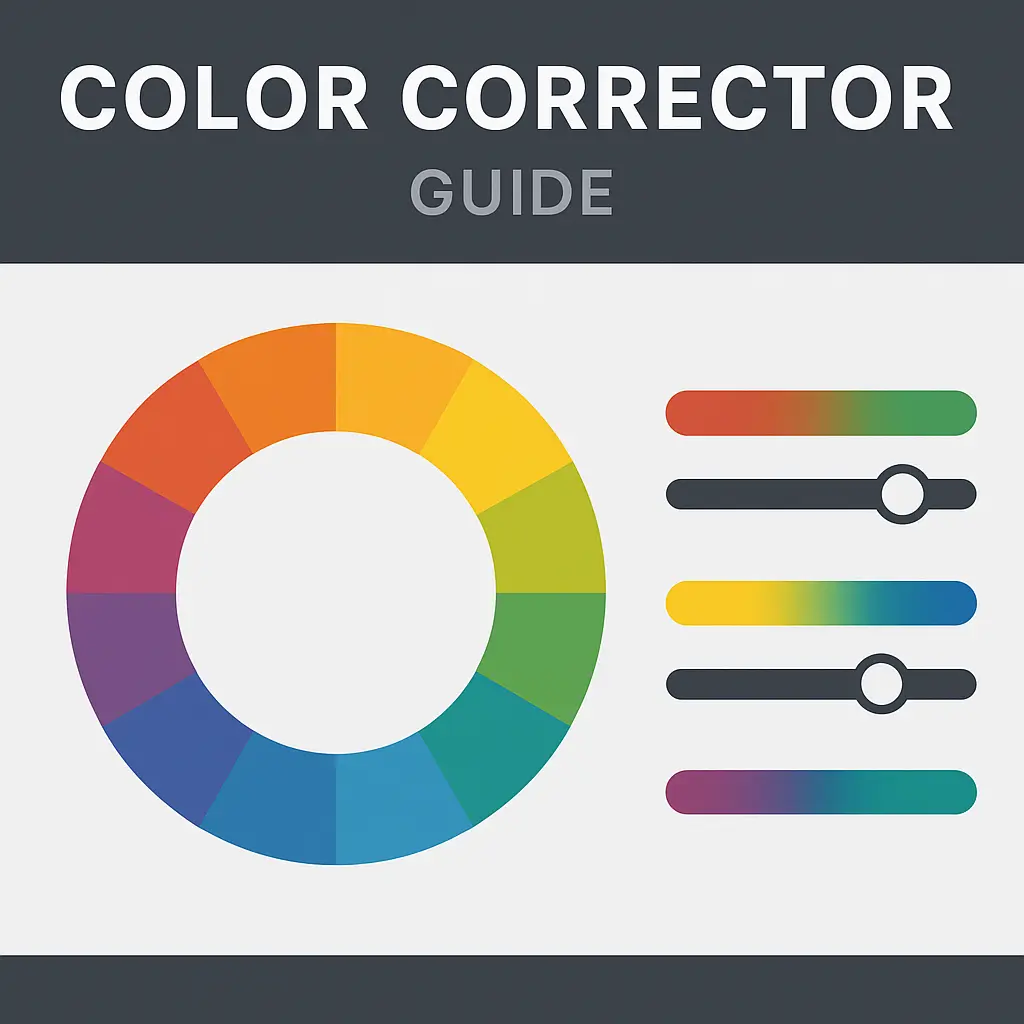
Introduction to Color Correction
Color correction might sound like something only makeup artists understand, but honestly, color corrector guide it’s one of those beauty tricks anyone can master once you know the basics. At its core, color correction is all about using specific shades to cancel out unwanted tones in your skin — think redness, dark circles, or dull patches. It’s like using a color filter in real life, just with makeup instead of an app.
What makes color correctors so useful is that they target specific issues instead of simply covering them up. For instance, if you’ve ever tried layering concealer over a red pimple and it still peeked through, that’s where a green corrector comes in — it neutralizes the redness before you even touch your concealer.
Many people confuse color correctors with concealers, but there’s a key difference. Concealers match your skin tone and hide blemishes or dark spots, while correctors are tinted with opposite hues on the color wheel to neutralize discoloration. Think of correctors as the prep step before concealer — they make sure your base looks balanced and even-toned.
Color correction isn’t just for full glam looks either. A dab of peach under your eyes or a touch of green around the nose can make your skin look naturally fresh, even without a full face of foundation. The trick is subtlety — applying the right shade in the right amount.
By the end of this guide, you’ll see that color correcting isn’t about complicated makeup routines; it’s about understanding your skin and making makeup work smarter for you, not harder.
What is Color Correction in Makeup?
Color correction in makeup is the technique of balancing skin discoloration by applying products tinted in hues opposite to the unwanted tones. Basically, every color has a counterpart on the color wheel that neutralizes it. Green cancels red, peach cancels blue, and purple brightens yellow undertones. It’s a small but powerful trick that instantly evens out your complexion before you apply foundation or concealer.
Unlike foundation, which simply covers imperfections, color correctors target the cause of unevenness. For instance, if you have persistent redness from rosacea or acne scars, layering foundation might only make it look cakey. A green corrector, however, directly neutralizes the redness so your skin tone appears balanced even with less product.
Color correction products come in different textures — creamy sticks, liquid pens, or compact palettes — so you can choose what feels most natural for your routine. Beginners usually find liquids easier since they blend seamlessly.
One common mistake people make is applying too much corrector. Remember: a little goes a long way. Dab it only on areas that truly need balancing and blend it softly with a sponge or brush.
Color correction is also highly personal — what works for one person might not work for another. The key is to experiment and observe how your skin responds. Once you find your perfect corrector combo, you’ll notice your makeup looks smoother, more natural, and far less heavy.
Importance of Using a Color Corrector
You know that feeling when you’ve applied your foundation perfectly but still notice some dark circles peeking through or a bit of redness around your nose? That’s exactly why color correctors matter. They work like a hidden secret under your base makeup — balancing discoloration before it becomes visible through foundation or concealer.
The importance of using a color corrector lies in how it improves both the appearance and longevity of your makeup. Instead of piling on layers of foundation to hide imperfections, correctors let you use less product while still getting a smooth, even finish. It’s like giving your skin a tiny tune-up before the main act.
For example, green correctors are lifesavers for people dealing with acne, rosacea, or any redness. Peach or orange tones brighten tired under-eyes, especially for those with darker skin tones or bluish shadows. Lavender correctors neutralize dull, yellow undertones and bring back a fresh, lively glow.
Using a color corrector also prevents that dreaded “ashy” or “gray” tone you sometimes see when concealer doesn’t quite cover dark areas properly. It creates balance underneath, so your skin tone looks true and vibrant once your makeup is finished.
Even on minimal makeup days, a tiny bit of corrector can make a huge difference. A touch of peach under your eyes or a green swipe on redness can make you look instantly more awake and confident — even without foundation.
In short, color correctors aren’t about perfection; they’re about balance. They help enhance your natural complexion and let your makeup do its job beautifully, without looking heavy or patchy.
Difference Between Concealer and Color Corrector
People often think concealers and color correctors are basically the same thing, but they’re actually two different steps that work together for a flawless finish. Understanding this difference can completely change how your makeup looks and feels.
Let’s start with the basics. Concealers are typically skin-toned products meant to cover blemishes, scars, or dark spots. They match your complexion and blend seamlessly to hide imperfections. On the other hand, color correctors are tinted in colors opposite to the imperfections they neutralize — like green for redness or peach for dark circles. Their job isn’t to match your skin; it’s to balance it.
Think of it like this: if your skin is a painting, color correctors are the primer layer that fixes uneven shades, while concealers are the final touches that make it all blend naturally. If you skip color correction, you might notice discoloration peeking through, no matter how much concealer you apply.
Here’s a quick example — imagine you’re trying to hide blueish under-eye circles with a regular concealer. Without a peach or orange corrector underneath, that bluish tint might still show through, giving a grayish cast. But once you apply a corrector first, the concealer can sit evenly, giving a smoother, brighter look.
So, while both products work to enhance your skin, they serve unique roles. Using them in harmony — corrector first, then concealer — is the secret to creating that naturally radiant, even-toned base everyone loves.
Understanding Color Theory
When it comes to mastering color correction, understanding color theory is the real game-changer. You don’t need to be an artist to get it — just a basic grasp of how colors interact can completely transform your makeup routine. Think of it as learning a visual language your skin understands.
Color theory is all about how colors relate to each other on the color wheel. Every color has an opposite or “complementary” color that neutralizes it. For instance, red sits opposite green, so a green corrector cancels out redness on your skin. Blue and orange are opposites, which is why orange or peach correctors brighten dark blueish under-eyes. Yellow and purple balance each other, helping correct sallow or dull tones.
When you apply this principle in makeup, you’re essentially balancing your natural undertones rather than covering them. It’s why makeup artists rely on the color wheel so heavily — it tells them exactly what shade to use to create harmony.
The beauty of color theory is that it’s completely customizable. Once you know what your specific skin concerns are — redness, dullness, hyperpigmentation, or dark circles — you can pick the right correcting color. Over time, you’ll start to notice that your foundation looks lighter, your concealer blends easier, and your makeup just makes sense.
And here’s a small but important note: it’s not just about the color but also the intensity. Lighter skin tones usually need softer, pastel correctors, while deeper tones benefit from richer, more pigmented shades. Understanding this nuance ensures you correct — not overcorrect — which keeps your look natural.
The Color Wheel and How It Relates to Color Correction
The color wheel might seem like something out of an art class, but in makeup, it’s basically your best friend. It’s a circular chart showing how primary, secondary, and tertiary colors interact. The magic happens when you look at the colors that sit opposite each other — that’s where neutralization comes in.
Here’s the breakdown:
- Green neutralizes red tones (like acne, irritation, or rosacea).
- Orange/Peach neutralizes blue/purple tones (like under-eye circles).
- Purple/Lavender neutralizes yellow tones (like dull, sallow skin).
- Yellow neutralizes purple tones (like bruises or dark spots).
When you apply an opposite color to your skin concern, they cancel each other out visually. It’s the same principle used in digital filters or photo editing — only now, you’re applying it to real life.
One mistake beginners often make is assuming more product equals better coverage. Nope. With color correctors, less is more. Apply a thin layer, gently blend it into your skin, and let the color wheel do its job. If you pile it on, you’ll end up with a muddy or chalky finish — and no one wants that.
Over time, you’ll start to recognize which shades your skin responds best to. A quick glance at the color wheel will tell you exactly what you need for the day, whether it’s brightening, balancing, or calming your skin tone.
It’s honestly one of those little tricks that make you wonder, “Why didn’t I learn this sooner?”
Complementary Colors and Neutralization
At the heart of color correction lies one simple yet powerful idea: complementary colors. These are pairs of colors that sit directly opposite each other on the color wheel — like green and red, blue and orange, or purple and yellow. When these opposite hues meet, they cancel each other out, creating balance or neutralization.
Think of it this way: if redness from acne or irritation is bothering you, layering more foundation over it won’t necessarily hide it — it might just make your skin look heavier. But dab on a green color corrector first, and suddenly that redness disappears like magic. That’s neutralization in action.
The science behind it is quite simple — when two complementary colors mix, they visually counteract each other. In makeup, this means your unwanted tones (like red or purple) get “neutralized,” allowing your natural complexion or foundation shade to appear even and flawless.
Let’s look at a few everyday examples:
- Green vs. Red: Use a green corrector to tone down redness, acne marks, or flushed cheeks.
- Orange/Peach vs. Blue: Brighten under-eye darkness or bluish veins.
- Purple vs. Yellow: Add vibrancy to dull, yellowish skin.
- Yellow vs. Violet: Disguise purple bruises or post-acne discoloration.
What’s important to remember is subtlety. You’re not trying to paint your face in rainbow patches — just neutralize the problem areas. Always blend gently, and make sure your corrector disappears into your skin before layering concealer or foundation.
This principle of complementary colors doesn’t just make makeup look better; it makes it smarter. You use less product, achieve a more natural finish, and your complexion looks bright without feeling heavy or fake.
Color correction, when done right, is basically the art of invisible balance — your skin, only better.
Common Color Correction Principles in Makeup
Once you understand how colors interact, the next step is learning a few core principles of color correction — the kind that makeup artists swear by but anyone can use at home. These aren’t strict rules, more like friendly guidelines that help you make smart, natural-looking choices.
The first and most important principle: balance, not coverage. Color correction isn’t about piling on layers; it’s about subtly neutralizing discoloration so your skin tone looks even. A small amount of corrector can make a huge difference, especially when applied strategically — only where it’s needed.
Second, always remember the order of application. Correctors go on before concealer and foundation, never after. This way, you’re laying the groundwork for a smooth, even base. Applying it afterward would just smudge your foundation and make it harder to blend.
Another key principle is undertone awareness. Your skin’s undertone — warm, cool, or neutral — plays a role in how correctors look on you. For example, someone with warmer undertones might find that peach correctors work better for dark circles, while those with cooler undertones may prefer a pinkish hue for brightness.
Then comes blending. Harsh edges defeat the purpose of color correction. The goal is to make it disappear seamlessly into your skin. Using a damp beauty sponge or your fingertips can help melt the product naturally.
Lastly, never forget less is more. Applying too much corrector can actually make the area look unnatural, or even create a muddy cast once foundation is added. A small, well-blended amount will always give you a more believable result.
By following these simple principles, you can correct discoloration without anyone even realizing you used makeup tricks. It’s about enhancing your skin, not hiding it — that’s the real secret behind flawless-looking beauty.
Types of Color Correctors
When it comes to color correction, one size definitely doesn’t fit all. The secret lies in understanding the different types of correctors and knowing which shade tackles which problem. Once you know this, applying color correctors feels less like guesswork and more like a mini science experiment — except way prettier.
Correctors come in a variety of colors, each designed to target specific skin concerns. Beyond color, they also come in different textures — creamy sticks, liquids, or palettes — which makes it easier to find something that works for your skin type and makeup routine. Some people prefer a creamy stick for precise application, while others like liquid correctors because they blend seamlessly and feel lightweight.
The key idea is simple: match the corrector color to your skin issue, not to your skin tone. Using the wrong color can make the problem more obvious, so knowing which shade to use is crucial. For instance, applying a peach corrector over redness won’t do much — it might even accentuate it. But with the right shade, a few dabs and gentle blending can make your skin look naturally balanced and radiant.
In this section, we’ll break down the most commonly used corrector colors, explain what each one is for, and give tips on how to apply them effectively. Once you get familiar with these options, you’ll start to feel like a makeup magician — fixing imperfections with just a swipe or two.
Green Corrector – For Redness and Acne
Redness can be stubborn — from pimples, rosacea, or just flushed cheeks — and that’s where green correctors shine. Green sits opposite red on the color wheel, so it neutralizes redness without masking your natural skin tone.
To use it, apply a tiny amount directly on the red areas. A little goes a long way, so start small and blend gently with a sponge or your fingertip. Once blended, you can layer concealer or foundation on top, and the redness should be significantly toned down.
Green correctors work well for people with oily or combination skin, as most formulas are lightweight and don’t cake. Some stick or cream versions are especially handy for precision, like on a single blemish or around the nose.
Pro tip: Always blend the edges softly — harsh lines can make the green visible under foundation. Subtlety is key.
Peach/Orange Corrector – For Dark Circles and Blue Undertones
Dark under-eye circles are a classic concern, especially if they have a bluish or purple tint. Peach or orange correctors counteract these tones beautifully. Peach works best for lighter skin tones, while orange or terra-cotta shades are better for medium to deep skin tones.
Apply a small amount directly under the eye, focusing on the darkest areas. Pat gently with your ring finger or a damp sponge — never rub — then layer a concealer that matches your skin tone on top. This combo brightens the under-eye area and prevents the grayish cast that concealer alone sometimes leaves.
Orange-based correctors are particularly helpful for deeper skin tones, as peach can appear too light or ashy. Experiment to find the right shade intensity so it neutralizes without looking obvious.
Yellow Corrector – For Dullness and Purple Tones
Yellow correctors are amazing for brightening up the complexion, especially if your skin looks tired, dull, or has purple undertones. They’re perfect for canceling out slight bruising, veins, or discoloration that can appear around the eyes, cheeks, or jawline.
For application, dab a small amount onto areas that appear grayish or purple-toned. Blend carefully with a sponge or your fingertips to avoid harsh edges. After blending, layer your usual foundation or concealer. The yellow helps to lift the skin tone, giving it a fresher, more awake appearance.
Yellow correctors are often underrated because they seem subtle, but their effect is very noticeable once blended properly. They work well for all skin tones, but lighter skin tones benefit most from a soft pastel yellow, while deeper tones can handle slightly more intense shades.
Purple/Lavender Corrector – For Sallow or Yellowish Skin
If your skin sometimes looks a little dull or yellowish, a purple or lavender corrector can do wonders. Purple tones neutralize yellow undertones, giving your face a brighter, healthier look. This is especially handy for people who feel their skin looks tired, lifeless, or uneven.
Apply lavender corrector sparingly to areas that appear sallow — often the cheeks, forehead, or around the mouth. Blend well to make sure it disappears into your natural skin tone. After blending, foundation can be applied on top to smooth everything out.
Lavender correctors are a favorite among makeup artists for creating a radiant finish, especially before events or photoshoots. They’re subtle yet powerful, and using too much can actually make skin appear slightly gray, so moderation is key.
Pink Corrector – For Brightening Pale or Tired Skin
Pink correctors are ideal for adding a healthy, bright glow to pale or fatigued-looking skin. They work especially well under the eyes for those with light skin tones, as they counteract blue or gray undertones and create a fresh, lifted appearance.
To apply, gently pat a thin layer under the eyes or on areas of dullness. Blend carefully and then layer concealer or foundation. Pink correctors can also be used on cheeks to subtly brighten the complexion without adding color like blush would.
The trick with pink is subtlety — too much can create an unnatural, rosy effect. When applied lightly, it revitalizes tired-looking skin and makes your overall makeup appear more awake and polished.
Conclusion
Color correction is one of those little beauty tricks that can completely transform your makeup routine. It’s not about masking your skin or piling on layers — it’s about balancing and enhancing your natural complexion. By understanding the color wheel, complementary shades, and which corrector works for your specific skin concerns, you can tackle redness, dark circles, dullness, and uneven tones with minimal effort.
The key is subtlety: start with small amounts, blend carefully, and layer concealer or foundation on top for a flawless finish. Whether you’re a makeup beginner or a beauty enthusiast, using the right corrector makes your skin appear naturally even, radiant, and refreshed. Remember, color correction isn’t a step to skip — it’s the secret behind smooth, professional-looking makeup.
With practice, you’ll quickly learn which shades suit your skin tone and concerns, making your makeup routine smarter, faster, and more effective. Once you get the hang of it, a few well-placed swipes of the corrector can make a world of difference — enhancing your natural beauty and giving your skin that fresh, balanced look everyone notices.
FAQs
1. Can I use color corrector without foundation?
Yes! Color correctors can be applied on bare skin to neutralize discoloration. For a natural look, blend lightly and consider setting with a translucent powder. Foundation or concealer is optional depending on the coverage you want.
2. Do I apply color corrector before or after concealer?
Color correctors should always be applied before concealer. Correctors neutralize unwanted tones, creating a balanced canvas. Once blended, apply concealer to match your skin tone and smooth everything out.
3. Which color corrector is best for dark circles?
It depends on your skin tone:
- Light skin: peach or pink correctors work best.
- Medium to deep skin: orange or terra-cotta shades are ideal.
The corrector cancels out blue or purple tones, then concealer brightens the under-eye area.
4. Can color correctors work on all skin types?
Absolutely! Correctors come in different textures (liquid, cream, stick) suitable for oily, dry, or combination skin. The key is choosing the right formula and blending well for a natural finish.
5. How much color corrector should I use?
Less is more. A small dab is usually enough. Over-applying can make the area look muddy or unnatural. Always blend carefully and build up gradually if needed.