

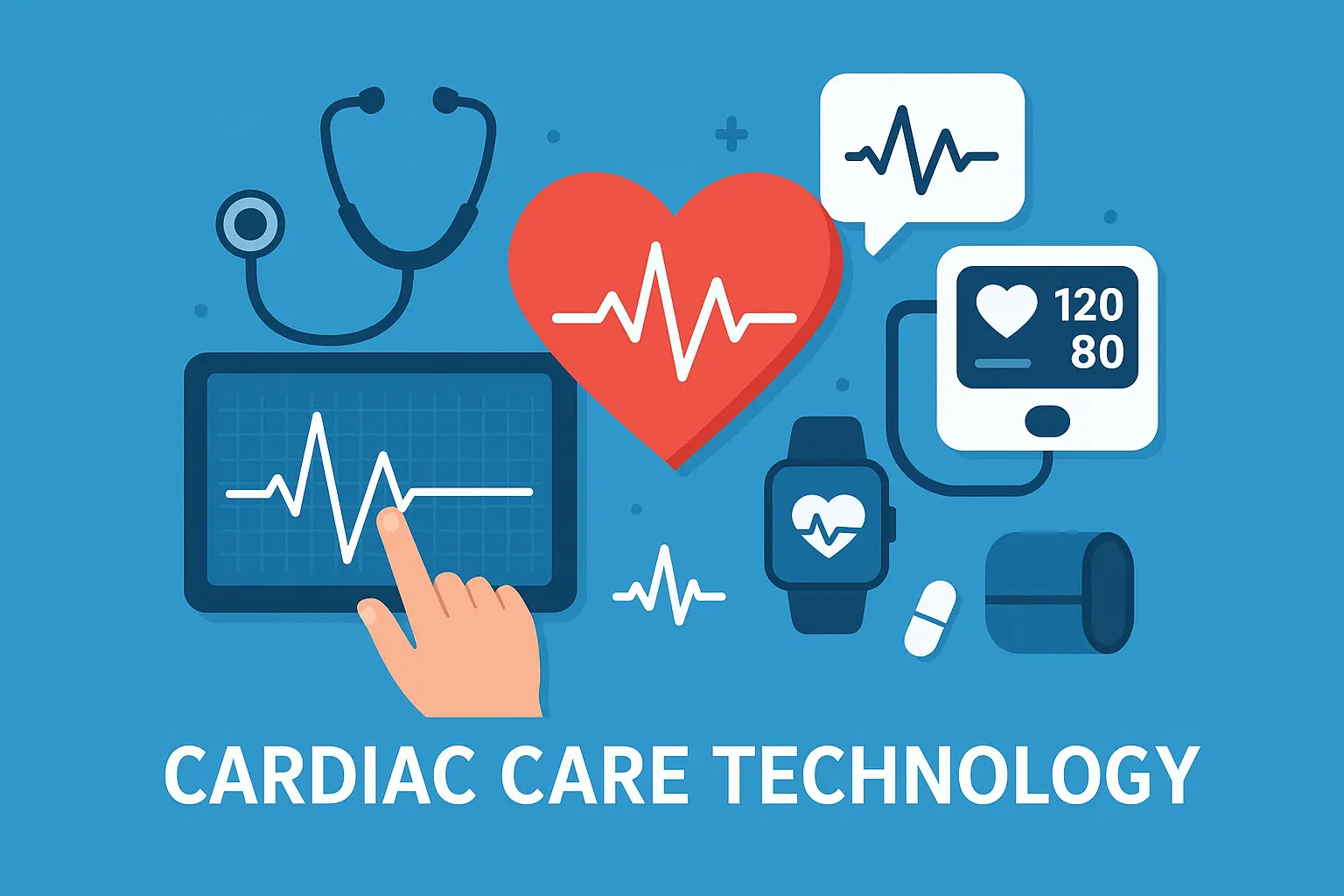
Introduction to Cardiac Care Technology
Heart health has always been at the center of human life — both literally and figuratively. Over the years, the way doctors diagnose, monitor, and treat heart diseases has changed drastically. Today, we’re living in an era where cardiac care technology isn’t just about machines in hospitals — it’s about innovation that saves lives every single day. From smart wearable devices to advanced imaging systems, the field has evolved to bring precision and hope into cardiac medicine.
Cardiac care technology refers to a wide range of tools and innovations that help in diagnosing, monitoring, and treating heart-related conditions. These technologies include everything from portable ECG monitors and telecardiology platforms to robotic surgical systems and AI-powered diagnostic software. Together, they’ve redefined how doctors detect early signs of heart disease and provide timely interventions.
One of the most remarkable aspects of this transformation is accessibility. Decades ago, patients had to travel miles to consult cardiologists. Today, they can get their heart rhythm analyzed through a smartwatch and consult a doctor online. This blend of medical science and digital progress is closing the gap between patients and specialists, especially in areas where healthcare access was once limited.
The evolution of cardiac care technology didn’t happen overnight — it took decades of research, innovation, and persistence. What used to require invasive procedures can now be achieved with minimally invasive techniques, faster recovery times, and far less pain. In simple words, technology has not only improved how we treat the heart but also how we understand it. And this is only the beginning — the next generation of heart tech promises even more personalized, predictive, and preventive care.
Key Innovations in Cardiac Care Technology
Over the past decade, the world has witnessed a quiet revolution in how we care for the heart. What once seemed futuristic — like wearable ECG trackers or AI-assisted diagnosis — has now become a part of everyday healthcare. Cardiac care technology has moved beyond hospital walls and into the hands (and even wrists) of patients. The focus is no longer just on treatment but on prevention, early detection, and personalization.
One of the most exciting shifts in cardiac technology is the rise of smart, connected devices. These tools allow doctors to continuously monitor heart activity, even while patients go about their normal routines. This constant stream of real-time data helps catch irregularities early, sometimes even before symptoms appear. It’s a comforting thought — your own body quietly communicating with your doctor before trouble begins.
Artificial Intelligence (AI) has also changed the game entirely. Instead of relying only on manual interpretations, cardiologists now have predictive models that analyze thousands of data points in seconds. AI systems can identify subtle patterns in heart rhythms or imaging scans that human eyes might miss. This doesn’t replace doctors — it enhances their precision and decision-making power.
And then there’s telecardiology, which truly blossomed after the pandemic. Through remote monitoring and virtual check-ups, heart patients can stay connected with their specialists without constant hospital visits. It’s particularly life-changing for people in remote areas or for elderly patients who find travel difficult.
Advanced imaging technologies are another marvel — 3D and high-resolution scans now allow for detailed mapping of the heart’s structure. These tools not only help diagnose diseases early but also guide surgeons during complex procedures with incredible accuracy.
Together, these innovations are reshaping how we think about heart care — from reactive to proactive, from general to deeply personal.
Wearable Heart Monitoring Devices
It’s amazing how something that fits around your wrist can tell so much about your heart. Wearable heart monitoring devices have truly changed how people track and manage their cardiovascular health. Gone are the days when heart check-ups meant bulky machines and hospital wires — now, your smartwatch or fitness tracker quietly keeps an eye on your heart every single moment.
These tiny devices use sensors that continuously record your heartbeat, rhythm, and sometimes even blood oxygen levels. Many can detect irregularities like atrial fibrillation (AFib), a condition that often goes unnoticed but can lead to serious problems if ignored. Imagine going for a jog, and your watch gently alerts you that your heart rhythm seems off — that’s more than technology, it’s protection in real time.
For doctors, these wearables have become invaluable. They provide long-term data about a patient’s heart activity in their normal environment, not just in a clinical setting. This gives a more accurate picture of how the heart behaves throughout the day — during stress, rest, or sleep. Patients feel more empowered, too, since they can see their progress and understand what affects their heart health.
Some of the most popular devices, like the Apple Watch, Fitbit, or specialized ECG patches, now integrate directly with healthcare apps. This allows cardiologists to review data remotely and make faster, more informed decisions. It’s like having a silent heart guardian with you 24/7.
Still, wearables aren’t perfect. They can sometimes produce false alarms or misreadings, especially if worn loosely or during intense activity. But even with minor flaws, their impact is huge — they encourage awareness, motivate healthy habits, and bring cardiac care closer to daily life.
In short, wearable devices have turned heart monitoring into something simple, personal, and continuous — making every beat count.
Artificial Intelligence in Cardiology
The thought of machines helping doctors diagnose heart diseases once sounded like science fiction. But today, artificial intelligence (AI) in cardiology is no longer a distant dream — it’s an everyday reality shaping how we detect and treat heart conditions. AI doesn’t replace human expertise; instead, it amplifies it. It’s like giving doctors a second pair of eyes — ones that never tire and can analyze thousands of data points in seconds.
AI in cardiac care mainly revolves around predictive analytics, imaging interpretation, and decision support. For example, advanced algorithms can scan ECGs, echocardiograms, and MRI images to spot subtle changes that even skilled cardiologists might overlook. This helps identify early signs of heart failure, arrhythmias, or coronary artery disease long before they become life-threatening.
Another incredible use of AI is in predicting risk. By combining patient history, lifestyle data, and medical imaging, AI can estimate a person’s likelihood of developing certain heart diseases. This allows doctors to create more personalized prevention plans — something that used to be nearly impossible.
Hospitals are also using AI to streamline their workflows. Systems powered by machine learning can prioritize critical patients, suggest treatment plans, and even monitor recovery progress after surgery. This not only improves patient outcomes but also reduces human error and saves valuable time.
Of course, like any new technology, there are challenges — mainly around data privacy and algorithm transparency. AI models need massive amounts of patient data, and protecting that information is a top priority.
Still, despite a few hurdles, AI’s role in cardiology is growing every day. It’s not just about faster diagnoses; it’s about smarter, safer, and more personalized care. The future might not be about doctors versus machines, but doctors and machines working together — for the heart of humanity itself.
Telecardiology and Remote Patient Monitoring
There was a time when heart patients had to make frequent, exhausting trips to hospitals just for routine check-ups. Now, with telecardiology and remote patient monitoring, that reality has completely changed. These technologies have turned distance into just another number, allowing patients and cardiologists to stay connected no matter where they are.
At its core, telecardiology means using digital tools — video calls, online consultations, and data-sharing platforms — to deliver heart care remotely. Imagine an elderly patient living in a small town being able to consult with a top cardiologist hundreds of miles away, all from the comfort of their living room. That’s the beauty of it. It breaks down barriers and brings specialized care to those who might otherwise go without.
Remote patient monitoring takes this concept even further. Devices like portable ECGs, smart patches, and Bluetooth-enabled blood pressure monitors can track a patient’s heart activity in real time. The data automatically uploads to a secure portal, where doctors can review it anytime. If anything looks unusual — say, an irregular rhythm or sudden spike in blood pressure — the medical team is alerted instantly.
For patients recovering from surgery or living with chronic heart conditions, this system provides both safety and peace of mind. They no longer feel isolated or anxious between hospital visits. Families, too, feel reassured knowing that their loved one’s heart is being watched over, even when they’re not physically with them.
Of course, there are still a few bumps — like internet connectivity issues in rural areas or data privacy concerns. But overall, telecardiology has made heart care more accessible, efficient, and compassionate. It’s a perfect example of how technology can add a human touch, not take it away.
Advanced Imaging and Diagnostic Tools
When it comes to the heart, seeing clearly means saving lives. That’s exactly what advanced imaging and diagnostic tools in cardiac care have made possible. These technologies allow doctors to look deep inside the heart — to visualize its chambers, vessels, and movements — without ever having to open the chest. It’s like turning on the lights in a once-dark room.
Modern imaging tools such as 3D echocardiography, CT angiography, and cardiac MRI have transformed how cardiologists diagnose and treat diseases. Each of these tools gives a different perspective — a CT scan, for instance, provides detailed images of the coronary arteries, helping detect blockages early. Cardiac MRI, on the other hand, shows how well the heart muscle is functioning and can even detect areas damaged by a heart attack.
These diagnostic breakthroughs have made early detection easier than ever before. In the past, a lot of heart conditions went unnoticed until symptoms became severe. Now, advanced imaging allows for intervention before the disease progresses. This means patients can get treatment sooner — often with less invasive procedures and faster recovery times.
Another amazing leap has been 3D and 4D imaging. These technologies don’t just produce static pictures; they show the heart in motion. Surgeons can plan operations more precisely, understanding exactly how the heart beats, pumps, and moves. It’s a combination of art and science that brings accuracy and safety to complex heart surgeries.
While these tools are sophisticated and often expensive, their value is undeniable. They give doctors confidence, patients clarity, and both sides hope. Every detailed image tells a story — one that helps guide the next step in care, ensuring that each heartbeat continues stronger than the last.
Breakthroughs in Cardiac Treatment Technologies
In recent years, cardiac treatment technologies have advanced faster than ever before — almost like watching the future unfold right in front of us. The way heart diseases are treated today would have been unimaginable a generation ago. From robotic-assisted surgeries to regenerative therapies, these innovations have turned once life-threatening conditions into manageable ones.
One of the biggest breakthroughs has been precision-based surgery. Gone are the days when open-heart surgery was the only option. Now, robotic systems and minimally invasive techniques allow doctors to repair or replace heart valves with incredible accuracy — often through tiny incisions. This means less pain, shorter hospital stays, and a much quicker return to normal life. It’s not just progress; it’s compassion powered by technology.
Then there’s the rise of smart implantable devices like next-generation pacemakers and defibrillators. These devices no longer just regulate heartbeat — they actually communicate data to doctors in real time. If a patient’s rhythm becomes irregular, the cardiologist can know immediately and adjust treatment without delay. It’s like having a 24-hour guardian angel inside the chest, quietly keeping things steady.
Stem cell therapy and tissue regeneration are also making waves. Scientists are now exploring ways to repair damaged heart tissue naturally, using the body’s own cells to restore function after heart attacks. It’s still developing, but the potential is enormous — imagine healing the heart from within instead of replacing it.
All these breakthroughs share one common goal: to save lives while improving quality of life. It’s no longer just about survival — it’s about living fully, without fear. These technologies remind us that while the heart is fragile, human innovation and compassion make it stronger than ever.
Robotic-Assisted Heart Surgeries
Not long ago, the idea of a robot performing heart surgery sounded like something out of a science fiction movie. But today, robotic-assisted heart surgeries are a real and life-changing advancement in cardiac care technology. They’ve redefined what precision, safety, and recovery mean in heart treatment — and, honestly, it’s incredible how far medicine has come.
In a robotic-assisted procedure, the surgeon doesn’t step away — they’re still in full control, guiding the robotic arms with remarkable precision. These robotic systems, like the da Vinci Surgical System, can make movements far steadier than a human hand ever could. This allows surgeons to perform delicate operations — such as valve repair or coronary artery bypass — through incisions so small that patients often go home in just a few days.
The main benefits? Less pain, minimal scarring, reduced risk of infection, and faster recovery. Patients who once spent weeks in the hospital now find themselves back on their feet within days. For elderly or high-risk patients, that difference can mean everything.
What’s even more fascinating is how these systems enhance visibility. The robotic camera gives a high-definition, 3D view of the heart, magnified up to ten times. This level of clarity helps surgeons make precise decisions during complex procedures, where even a fraction of a millimeter matters.
Of course, robotic surgeries do come with challenges. The equipment is costly, and not every hospital has access to it yet. It also takes time for surgeons to train and master these systems. But despite these hurdles, robotic-assisted heart surgery is becoming more common — and with every successful operation, confidence in this technology grows stronger.
It’s a beautiful example of humans and machines working in perfect rhythm — both literally and figuratively — to heal the heart with precision and care.
Smart Pacemakers and Implantable Devices
The heart is relentless — it beats thousands of times a day, tirelessly keeping us alive. Sometimes, though, it needs a little help. That’s where smart pacemakers and implantable devices come in, quietly working behind the scenes to keep the rhythm steady and the patient safe.
Modern pacemakers are no longer just simple pulse regulators. Today’s devices are smart, connected, and adaptive. They monitor heart rhythms continuously and adjust the heartbeat when necessary. If irregularities occur, the device can immediately respond, preventing complications like fainting or heart failure. Some even record the heart’s activity and automatically send the data to a doctor, often before the patient even realizes something is wrong. It’s like having a vigilant guardian inside your chest.
Implantable cardioverter-defibrillators (ICDs) have similarly evolved. These devices can detect life-threatening arrhythmias and deliver a precise electrical shock to restore normal rhythm. Modern ICDs are smaller, less invasive, and increasingly sophisticated, improving both safety and comfort for patients.
The benefits go beyond emergency intervention. Continuous monitoring helps doctors personalize treatment plans. For example, medication can be adjusted based on real-time heart data, rather than relying on periodic check-ups alone. This level of precision improves outcomes and often reduces hospital visits, allowing patients to maintain a more normal, worry-free lifestyle.
Of course, no device is perfect. There can be complications during implantation, and regular follow-up is crucial. But for millions of patients with heart rhythm disorders, smart pacemakers and implantable devices are lifesaving tools that blend medical ingenuity with daily reassurance.
In essence, these devices don’t just support the heart — they enhance quality of life, giving patients and families a sense of control, security, and hope that every beat will be steady and strong.
Stem Cell Therapy and Regenerative Techniques
Imagine a future where the heart can heal itself — repairing damaged tissue and restoring function naturally. That’s the promise of stem cell therapy and regenerative techniques in cardiac care, one of the most exciting frontiers in modern medicine.
After a heart attack, some heart tissue can be permanently damaged, leading to long-term complications like heart failure. Traditional treatments focus on managing symptoms or preventing further damage, but stem cell therapy aims to repair the heart from within. By using specialized stem cells — often derived from the patient’s own body — doctors can stimulate the growth of new, healthy heart cells.
Research has shown that these therapies can improve heart function, reduce scarring, and even enhance the overall quality of life for patients who previously had limited options. While it’s still in the experimental and early clinical stages, the results are promising. Scientists are continuously refining methods to make treatments more effective, targeted, and safe.
Regenerative techniques aren’t limited to stem cells alone. Some approaches use bioengineered tissues or scaffolds to support the heart’s natural repair processes. Others focus on genetic therapies that encourage cells to regenerate. Together, these innovations represent a shift from simply managing heart disease to actually reversing damage when possible.
Of course, there are challenges. Stem cell therapies can be expensive, and results may vary between patients. Clinical trials are ongoing, and researchers are working to ensure safety, reliability, and accessibility.
Still, the potential is enormous. Stem cell therapy embodies the hope that the heart can not only survive injury but recover, rebuild, and thrive. For patients and their families, it’s more than medicine — it’s a glimpse of what the future of cardiac care could truly become.
Impact of Cardiac Care Technology on Patient Outcomes
Technology has a unique power: it can transform lives in ways that feel almost personal. In cardiac care, this transformation is especially profound. Cardiac care technology doesn’t just make treatments faster or procedures safer — it changes the very experience of living with heart disease. Patients today are living longer, recovering faster, and managing their conditions more effectively than ever before.
One of the most visible impacts is improved survival rates. Early detection tools, wearable monitors, and predictive analytics mean that doctors can intervene before a heart condition becomes critical. Conditions that were once fatal now have treatment options, and even high-risk patients can enjoy years of healthy life. This is more than numbers — it’s families getting more time together, parents seeing children grow up, and patients returning to the activities they love.
Technology also allows for personalized treatment plans. Instead of a one-size-fits-all approach, doctors can tailor care to each patient’s unique heart condition, lifestyle, and genetic makeup. Smart devices and remote monitoring ensure that treatment adjustments happen in real time, improving both efficacy and comfort. Patients feel heard, understood, and supported in ways that traditional check-ups often couldn’t provide.
Moreover, advanced cardiac technology helps reduce hospital stays and complications. Minimally invasive procedures, robotic-assisted surgeries, and smart implants mean faster recovery and fewer setbacks. This not only eases the physical burden on patients but also reduces emotional stress and financial strain, which are often overlooked aspects of heart care.
Finally, cardiac care technology enhances patient empowerment. With wearable monitors, mobile apps, and teleconsultations, patients actively participate in their own care. They gain awareness of triggers, track improvements, and feel more in control. In essence, technology doesn’t just treat the heart — it nurtures confidence, hope, and quality of life.
Conclusion
Cardiac care technology has truly revolutionized the way we understand, monitor, and treat heart diseases. From wearable devices and telecardiology to robotic surgeries and regenerative therapies, these innovations have transformed heart care from reactive to proactive, allowing for earlier detection, personalized treatment, and faster recovery.
The impact goes beyond medicine — it touches lives emotionally and practically. Patients feel safer, more informed, and empowered to take control of their heart health. Families experience reassurance knowing their loved ones are continuously monitored, even from a distance. Doctors benefit from precision tools that enhance decision-making and reduce errors.
While challenges such as high costs, data privacy concerns, and accessibility remain, the potential of cardiac technology is enormous. As research continues and technologies advance, the future promises even smarter, more compassionate, and widely available heart care solutions. Ultimately, these innovations remind us that with the right tools, knowledge, and care, the human heart can thrive like never before.
FAQs
1. What is cardiac care technology?
Cardiac care technology includes tools, devices, and systems used to monitor, diagnose, and treat heart-related conditions. This ranges from wearable monitors to robotic surgical systems and AI-powered diagnostics.
2. How does AI help in cardiac care?
AI assists in analyzing medical data, predicting risks, interpreting imaging, and supporting personalized treatment plans. It enhances the accuracy and efficiency of heart disease diagnosis and management.
3. What are the latest devices for heart monitoring?
Modern devices include smartwatches, portable ECG monitors, implantable pacemakers, and remote monitoring systems. They track heart activity continuously and share data with doctors in real time.
4. How safe are wearable cardiac technologies?
Wearables are generally safe, but they may occasionally produce false readings. They should be used as supplementary tools, with medical consultation for significant concerns.
5. What is the future of cardiac care technology?
The future focuses on personalized, predictive, and preventive care using AI, telecardiology, nanotechnology, and regenerative therapies. The goal is to make heart care smarter, faster, and more accessible worldwide.