

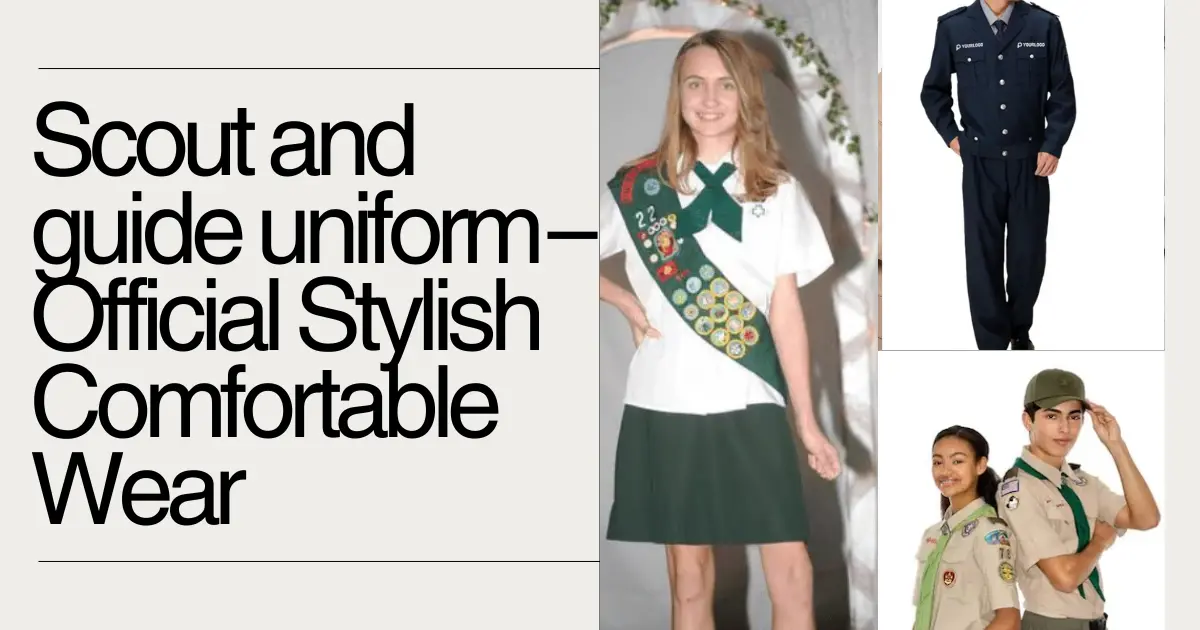
Introduction to Scout and Guide Uniform
The scout and guide uniform is more than just clothing—it’s a symbol of unity, discipline, and pride. When scouts and guides put on their uniform, they instantly become part of a global community that shares values of honesty, service, and teamwork. Wearing the uniform creates a sense of belonging, not only among peers but also within the broader society, showing that the wearer stands for responsibility and respect.
Historically, the uniform has evolved from simple, practical attire to a well-defined outfit that represents the spirit of scouting. Early uniforms were designed primarily for comfort during outdoor activities, but over time, they incorporated elements like badges and insignia to recognize achievements and rank. Today’s Scout and Guide Uniform is carefully designed to be both functional and symbolic, allowing scouts to participate in adventures while also showcasing their accomplishments.
Uniforms also play a role in teaching young members the importance of appearance and presentation. By wearing their uniform neatly, scouts learn to take pride in themselves and their organization. It’s a small yet powerful way of instilling discipline, encouraging responsibility, and fostering respect for rules.
Whether attending a camp, a community service project, or a ceremonial event, the uniform helps create a cohesive image of unity and equality. Regardless of background or location, every scout or guide wearing the uniform is seen as a part of a worldwide movement, promoting goodwill and positive values.
Ultimately, the Scout and Guide Uniform is more than just fabric—it’s a representation of ideals, teamwork, and identity. It’s a reminder that every scout has a role in building character, helping others, and contributing positively to society.
Importance of Wearing a Uniform
Wearing the Scout and Guide Uniform is significant in many ways, both practical and symbolic. On a practical level, it ensures that scouts and guides are easily identifiable, which is particularly important during camps, outdoor activities, or public events. It provides a sense of order, making it easier for leaders to manage groups, and ensures that everyone is prepared with the right clothing for various activities.
Symbolically, the uniform represents unity and equality. No matter where a scout comes from, once they wear the uniform, they’re part of a global network. This fosters a feeling of belonging and pride. The uniform also teaches responsibility—members are expected to keep it clean, tidy, and worn correctly. This small discipline often translates into broader life skills.
Moreover, the uniform serves as a reminder of the scout’s commitment to the movement’s values. Each badge and insignia worn reflects achievements, learning, and personal growth. Scouts learn that their actions, service, and behavior reflect not just on themselves but also on the entire organization.
Finally, wearing the uniform promotes respect in the community. People recognize scouts as individuals dedicated to service, honesty, and leadership. It can inspire younger children to join and motivates members to uphold the values they represent. In essence, the uniform is not just about appearance—it’s a tool for building character, discipline, and pride in every scout and guide.
History and Evolution of Scout and Guide Uniforms
The history of the Scout and Guide Uniform is fascinating because it reflects how the movement itself has grown and adapted over time. When scouting began in the early 20th century, uniforms were designed mainly for practicality. The first scouts needed clothing that could withstand outdoor activities like hiking, camping, and woodcraft. Comfort, durability, and ease of movement were the top priorities, so the outfits were simple—mostly khaki shirts, shorts or trousers, and sturdy shoes.
As scouting spread across countries, the uniform began to evolve, reflecting local traditions and climates. In some regions, heavier fabrics were used for colder weather, while in tropical areas, lighter materials were preferred. The uniform also started to include symbolic elements like the neckerchief, which not only helped in first aid situations but also became a recognizable symbol of scouting worldwide.
By the mid-20th century, badges and insignia were formally incorporated into uniforms. These were more than decorative—they represented ranks, achievements, and skills learned. For guides, especially girls, uniforms often included skirts or tunics, sometimes paired with sashes for badges. Over time, the design became standardized in many countries, balancing practicality with identity and pride.
Modern Scout and Guide Uniforms now reflect both tradition and function. While still maintaining core elements like shirts, trousers, neckerchiefs, and badges, they also incorporate comfort fabrics, adjustable fittings, and even reflective elements for safety. Uniforms have become a way to instill values, maintain discipline, and show recognition for personal growth and community service.
Overall, the evolution of the uniform tells the story of scouting itself—a journey from simple functional clothing to a symbol of achievement, unity, and identity that continues to inspire young scouts and guides around the world.
Components of the Scout and Guide Uniform
The Scout and Guide Uniform is made up of several carefully designed components, each with its own purpose and significance. Together, these pieces create a complete look that is both practical for activities and symbolic of the values scouts and guides uphold. Understanding each component helps members wear their uniform correctly and take pride in what it represents.
At the heart of the uniform is the shirt and trousers or skirt, usually in khaki or a designated color depending on the country. The shirt is designed for comfort and durability, with pockets for small tools or essentials during outdoor activities. Trousers or skirts are chosen to allow ease of movement while maintaining a neat appearance.
Another key element is the neckerchief and woggle. The neckerchief isn’t just decorative—it can serve practical purposes, like a bandage or sling in emergencies. The woggle, which holds the neckerchief in place, symbolizes unity and tradition, connecting scouts and guides to a worldwide community.
Badges and insignia are also crucial. These show achievements, rank, and special skills. Each badge is earned through effort, dedication, and learning, making the uniform a living record of personal growth. Wearing them proudly encourages others and inspires younger members to achieve similar goals.
Finally, footwear and accessories complete the uniform. Sturdy shoes or boots ensure safety during outdoor activities, while belts, socks, and sometimes hats or caps provide additional functionality and style. Even small details, like tying shoelaces properly or keeping accessories neat, reflect discipline and attention to detail.
In short, every part of the Scout and Guide Uniform has a purpose—practical, symbolic, or both. Together, they create a cohesive image that promotes pride, equality, and belonging, reminding every scout and guide of their responsibilities and achievements.
Shirt and Trousers/Skirt
The shirt and trousers or skirt form the core of the Scout and Guide Uniform. They are designed not only for practicality but also to create a neat, unified appearance among all members. The shirt, typically in khaki or a specific color depending on the country, is made from durable and breathable fabric. This ensures comfort during long hours of outdoor activities, whether it’s hiking, camping, or community service.
Shirts usually have multiple pockets, which are not just for decoration. Scouts often use them to carry essential items like notebooks, compasses, or small first aid tools, making them highly functional. The fit of the shirt is important too—it should be loose enough to allow movement but not so baggy that it looks untidy. Rolling up sleeves neatly or buttoning correctly is part of wearing the uniform with pride.
Trousers or skirts are chosen with mobility in mind. Trousers are often preferred for outdoor activities due to their protection against scratches, insect bites, and rough terrain. Skirts, commonly worn by girl guides, are usually paired with shorts underneath for comfort during active tasks. Both trousers and skirts should be well-fitted and kept clean to reflect discipline and respect for the organization.
Uniform regulations often specify precise colors, lengths, and styles, emphasizing equality among members. Wearing the shirt and trousers or skirt properly teaches scouts responsibility, as they are accountable for maintaining the uniform in good condition.
In essence, the shirt and trousers or skirt are more than just clothing—they symbolize the scout or guide’s commitment, discipline, and readiness. By wearing these items correctly, members show respect for their organization, pride in their achievements, and unity with their peers across the globe.
Neckerchief and Woggle
The neckerchief and woggle are iconic elements of the Scout and Guide Uniform, instantly recognizable and rich in symbolism. The neckerchief, often a triangle-shaped piece of cloth, is worn around the neck and held in place by the woggle. While it may look simple, it carries a deep meaning—unity, identity, and the spirit of scouting.
Traditionally, the neckerchief could serve multiple practical purposes. In outdoor situations, it could be used as a sling, a bandage, a sun shield, or even a water filter in emergencies. This practicality reflects the core scouting principle of preparedness. Over time, the neckerchief also became a symbol of belonging, connecting scouts and guides worldwide, regardless of their region or country.
The woggle, a small ring or loop, secures the neckerchief neatly around the collar. It symbolizes order, discipline, and continuity, reminding scouts of their commitment to uphold the values of the movement. Woggles can also carry significance based on their design, sometimes representing rank, achievement, or affiliation with a particular troop or group.
Wearing the neckerchief and woggle properly is part of maintaining uniform standards. The neckerchief should be neatly folded, with the ends tucked or secured in the woggle. This attention to detail teaches scouts the importance of presentation and pride in their appearance.
Beyond function, these items foster a sense of identity and camaraderie. When scouts and guides see each other wearing the same neckerchief, it reinforces a sense of equality, teamwork, and shared purpose. The neckerchief and woggle may be small components of the uniform, but their symbolism and practicality make them indispensable.
Badges and Insignia
Badges and insignia are more than decorative elements on the Scout and Guide Uniform—they are a visible record of achievement, learning, and personal growth. Each badge tells a story, reflecting the skills, experiences, and responsibilities that a scout or guide has earned over time. From rank badges to merit awards, these symbols encourage motivation, dedication, and a sense of pride.
Rank badges indicate a member’s level within the organization, showing progression as they learn new skills and take on responsibilities. These badges are often earned through a combination of training, tests, and leadership activities. Wearing them correctly helps others recognize the scout’s or guide’s experience and contributions.
Achievement and merit badges cover a wide variety of skills, from camping, first aid, and environmental awareness to community service and creativity. Earning these badges requires effort, learning, and perseverance, teaching scouts that dedication leads to recognition. Displaying these badges on the uniform is not only a source of personal pride but also inspires younger members to strive for similar accomplishments.
Special awards and insignia may recognize exceptional service, leadership, or participation in national and international events. These elements further reinforce a sense of belonging to a larger community, connecting members to the global scouting and guiding movement.
Proper placement of badges is also important. Uniform guidelines often specify exact positions for each insignia to maintain a neat and standardized appearance. This encourages attention to detail and discipline, two core values of scouting.
In essence, badges and insignia make the uniform a living record of a scout’s or guide’s journey. They celebrate hard work, skills, and character development, while simultaneously promoting pride, equality, and recognition within the community.
Footwear and Accessories
The footwear and accessories of the Scout and Guide Uniform are essential for both practicality and style. Proper shoes or boots protect the feet during outdoor activities like hiking, camping, and community service projects, while also ensuring safety and comfort. Sturdy footwear reduces the risk of injuries from rough terrain, uneven surfaces, or sudden weather changes. Many organizations specify dark-colored, closed-toe shoes or boots that are durable and easy to maintain.
Accessories, though often small, play a meaningful role in completing the uniform. Belts help keep trousers or skirts neatly in place, while socks add both comfort and a polished look. In some regions, hats or caps are also included as part of the uniform, offering protection from the sun during outdoor events and adding an element of formality during ceremonies. Other optional accessories, like watches, compasses, or belts with loops for small tools, enhance functionality and prepare scouts for various tasks.
Maintaining these items properly is part of wearing the uniform responsibly. Shoes should be polished or cleaned regularly, socks and belts should be neat, and hats should be kept in good condition. Accessories not only serve practical purposes but also reflect the scout’s or guide’s discipline and attention to detail.
Even though footwear and accessories may seem minor compared to the main clothing pieces, they significantly contribute to the overall image of the scout or guide. They complete the uniform, ensuring members are fully prepared, safe, and presentable for any activity. These details reinforce the values of discipline, responsibility, and pride in one’s appearance, which are central to the scouting and guiding experience.
Types of Scout and Guide Uniforms
The Scout and Guide Uniform comes in different types, each designed to suit specific occasions, activities, and functions. Understanding these variations helps members wear the appropriate attire for each setting, while also maintaining discipline, pride, and comfort.
The most common type is the daily or regular uniform, worn during meetings, classes, and routine activities. This uniform is simple, practical, and comfortable, allowing scouts and guides to focus on learning, teamwork, and service without being restricted by clothing. It usually includes the standard shirt, trousers or skirt, neckerchief, woggle, and basic badges.
Another type is the camp or adventure uniform, specifically designed for outdoor activities like hiking, camping, or survival training. This uniform prioritizes functionality and durability, often including long trousers, sturdy shoes or boots, and sometimes additional protective gear. Pockets and accessories are optimized for carrying essentials like maps, compasses, or first aid kits. The camp uniform helps ensure safety while allowing freedom of movement during physically demanding tasks.
The ceremonial or parade uniform is worn during formal events, flag ceremonies, national celebrations, or special scouting gatherings. This uniform focuses on appearance, showcasing badges, insignia, and medals in an orderly and polished manner. Attention to detail is key, as this type of uniform reflects not only individual discipline but also the pride and unity of the entire group.
Some regions or troops may have slight variations depending on climate, traditions, or gender, but the basic principle remains the same: each uniform type serves a clear purpose while maintaining the core identity of the scout or guide. By choosing the right uniform for the occasion, members demonstrate respect for their organization, pride in their achievements, and readiness to participate responsibly in all activities.
Daily/Regular Uniform
The daily or regular uniform is the most commonly worn version of the Scout and Guide Uniform. It is designed for routine activities, including troop meetings, classroom sessions, and community service projects. The primary focus of this uniform is comfort and practicality, allowing scouts and guides to move freely while still maintaining a neat and disciplined appearance.
Typically, the daily uniform includes the standard shirt and trousers or skirt, neatly folded neckerchief with a woggle, belt, and basic footwear. Badges representing rank, achievements, or skills earned are displayed in their designated positions, reminding members of their journey and accomplishments. The daily uniform emphasizes simplicity while still fostering a sense of identity and pride among members.
Wearing the daily uniform correctly teaches responsibility and discipline. Scouts and guides learn the importance of keeping their clothing clean, neatly pressed, and properly fitted. Small habits, such as tucking in the shirt, polishing shoes, or adjusting the neckerchief, contribute to overall self-discipline. Additionally, this uniform encourages equality, as all members wear similar clothing regardless of their background, fostering a sense of community and belonging.
Beyond functionality, the daily uniform has symbolic value. It serves as a constant reminder of the scout’s or guide’s commitment to values like honesty, service, and teamwork. Even during ordinary days, wearing the uniform instills confidence, motivates positive behavior, and strengthens the collective identity of the group.
In short, the daily or regular uniform is not just practical clothing—it is a tool for teaching responsibility, promoting unity, and building pride among scouts and guides, preparing them for more specialized uniforms and activities in the future.
Camp or Adventure Uniform
The camp or adventure uniform is specifically designed for outdoor activities, such as hiking, camping, nature exploration, and survival training. Unlike the daily uniform, which focuses more on appearance and routine, the camp uniform prioritizes functionality, durability, and comfort. Scouts and guides wearing this uniform are prepared for physically demanding tasks and variable weather conditions.
Typically, this uniform includes long trousers or shorts made of tough, breathable fabric, paired with a durable shirt. Pockets are often deeper and strategically placed to carry essentials like compasses, maps, notebooks, or small first-aid items. Footwear is particularly important, with sturdy shoes or boots that provide traction, ankle support, and protection from rough terrain or unexpected hazards. Accessories like hats, belts, or wristbands may also be included to enhance practicality.
The camp or adventure uniform also maintains the identity and pride of scouting. Neckerchiefs, woggles, and badges are still worn, though sometimes in a slightly simplified manner to allow ease of movement. This ensures that while scouts are focused on activity, they still represent the organization and its values.
Safety is a key reason for this uniform. Its design reduces the risk of injuries from the environment, such as scratches, insect bites, or exposure to sun and rain. Materials are often quick-drying, breathable, and flexible, allowing scouts to move freely during games, exercises, or team challenges.
Wearing the camp or adventure uniform instills preparedness, resilience, and responsibility. Scouts learn to respect nature, follow rules, and handle challenges efficiently while being part of a team. In essence, this uniform is not just clothing—it’s a toolkit for adventure, promoting safety, functionality, and pride in every scout and guide who wears it.
Conclusion
The Scout and Guide Uniform is much more than a set of clothes—it is a symbol of unity, discipline, pride, and identity. Each component, from the shirt and trousers or skirt to the neckerchief, woggle, badges, and footwear, plays a crucial role in reflecting the values of scouting and guiding. Wearing the uniform correctly teaches responsibility, attention to detail, and respect for oneself and the organization.
Different types of uniforms, such as daily, camp, and ceremonial versions, serve distinct purposes while maintaining the core essence of scouting. Daily uniforms support routine learning and community service, camp uniforms prioritize safety and functionality during outdoor adventures, and ceremonial uniforms emphasize presentation and collective pride during formal events.
Badges and insignia act as a visible record of achievements, encouraging growth, perseverance, and leadership among members. Accessories and footwear, though often overlooked, enhance practicality and overall appearance, reinforcing discipline and preparedness.
Ultimately, the Scout and Guide Uniform fosters a sense of belonging to a global community and reminds members of their commitment to values like honesty, service, teamwork, and respect. By wearing it with pride, scouts and guides embody the spirit of the movement, inspiring others and creating a lasting impact in their communities.
FAQs
1. Can Scout and Guide Uniforms be customized?
While the core elements of the uniform remain standardized to maintain equality, some units allow minor customization, such as troop-specific patches or regional insignia. However, major changes to the uniform are generally discouraged to preserve uniformity and identity.
2. Are uniforms mandatory for all scouts and guides?
Yes, wearing the uniform is usually required during official activities, meetings, camps, and ceremonies. It helps identify members, promote discipline, and build a sense of community. Some casual activities may allow flexibility in clothing.
3. How often should the uniform be replaced?
Uniform replacement depends on wear and tear. Shirts, trousers, skirts, and footwear should be replaced when damaged or no longer presentable. Regular care and proper maintenance can extend the life of the uniform.
4. Do badges and insignia have specific placement rules?
Yes, each badge or insignia has a designated position on the uniform. Following placement guidelines ensures neatness, equality, and proper recognition of achievements. Troop leaders usually provide guidance.
5. Can scouts wear the uniform outside official activities?
Generally, the uniform is meant for scouting-related activities. Wearing it outside official events is allowed occasionally but should be done respectfully, as it represents the organization and its values.